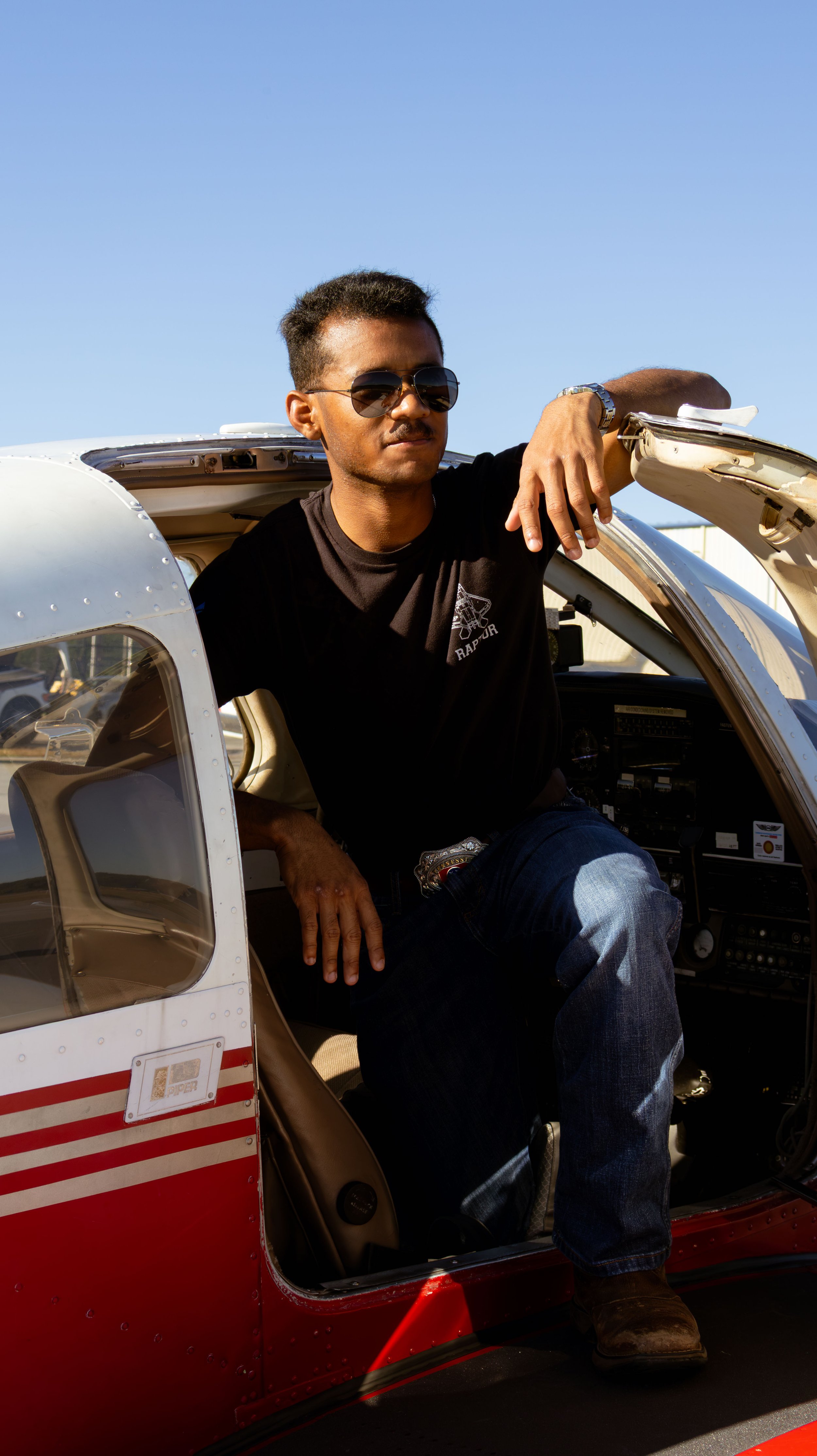
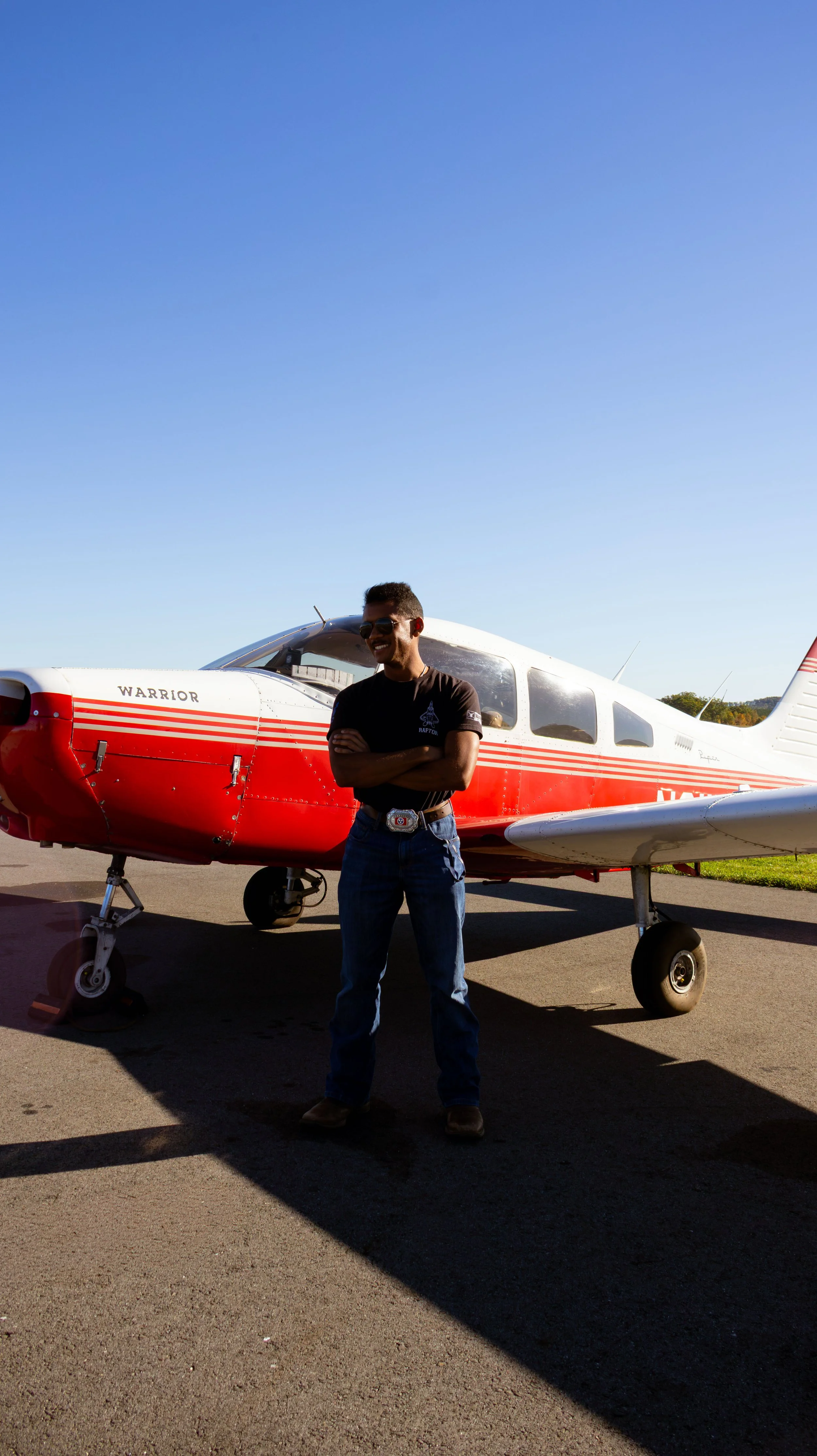
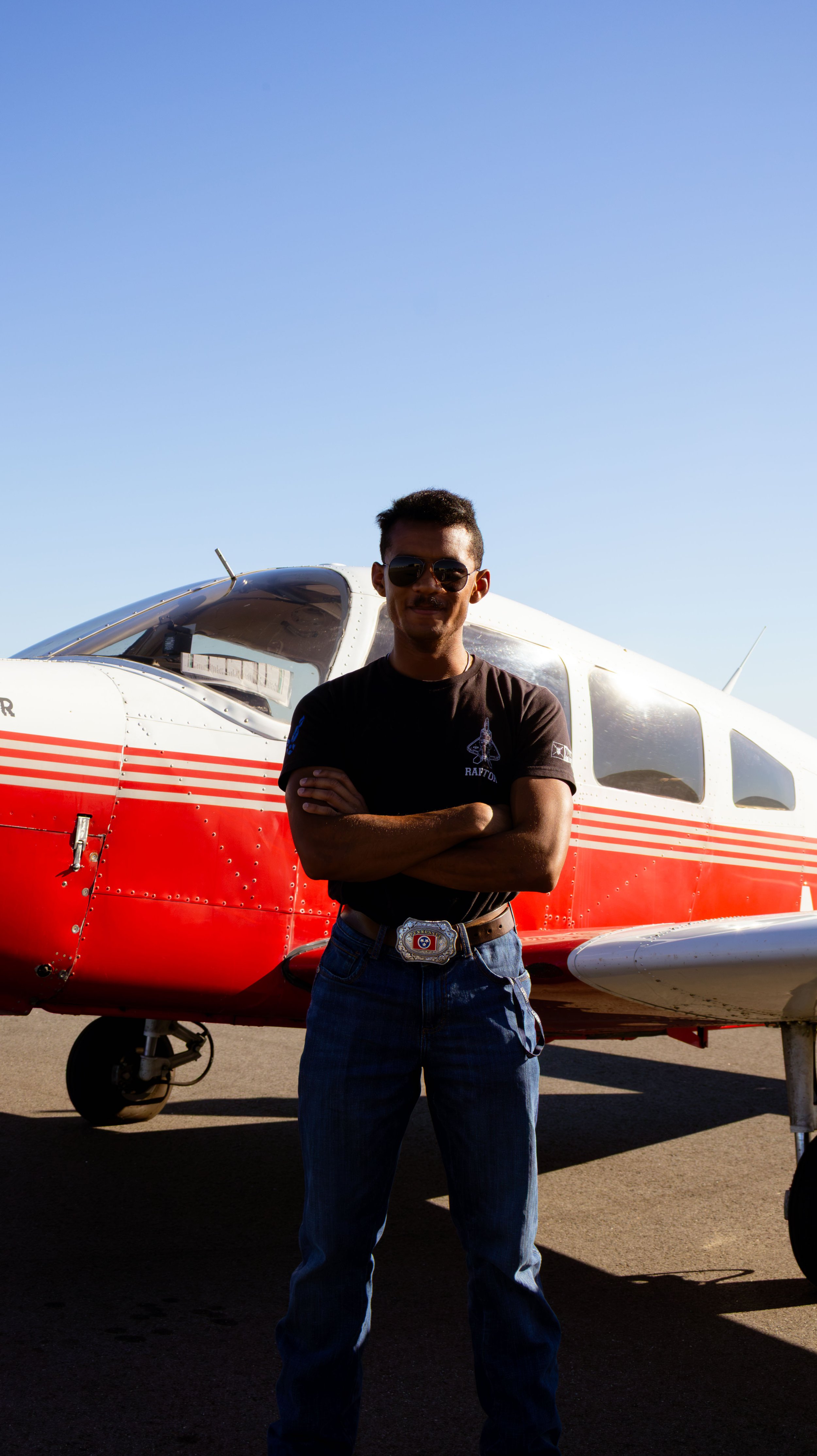
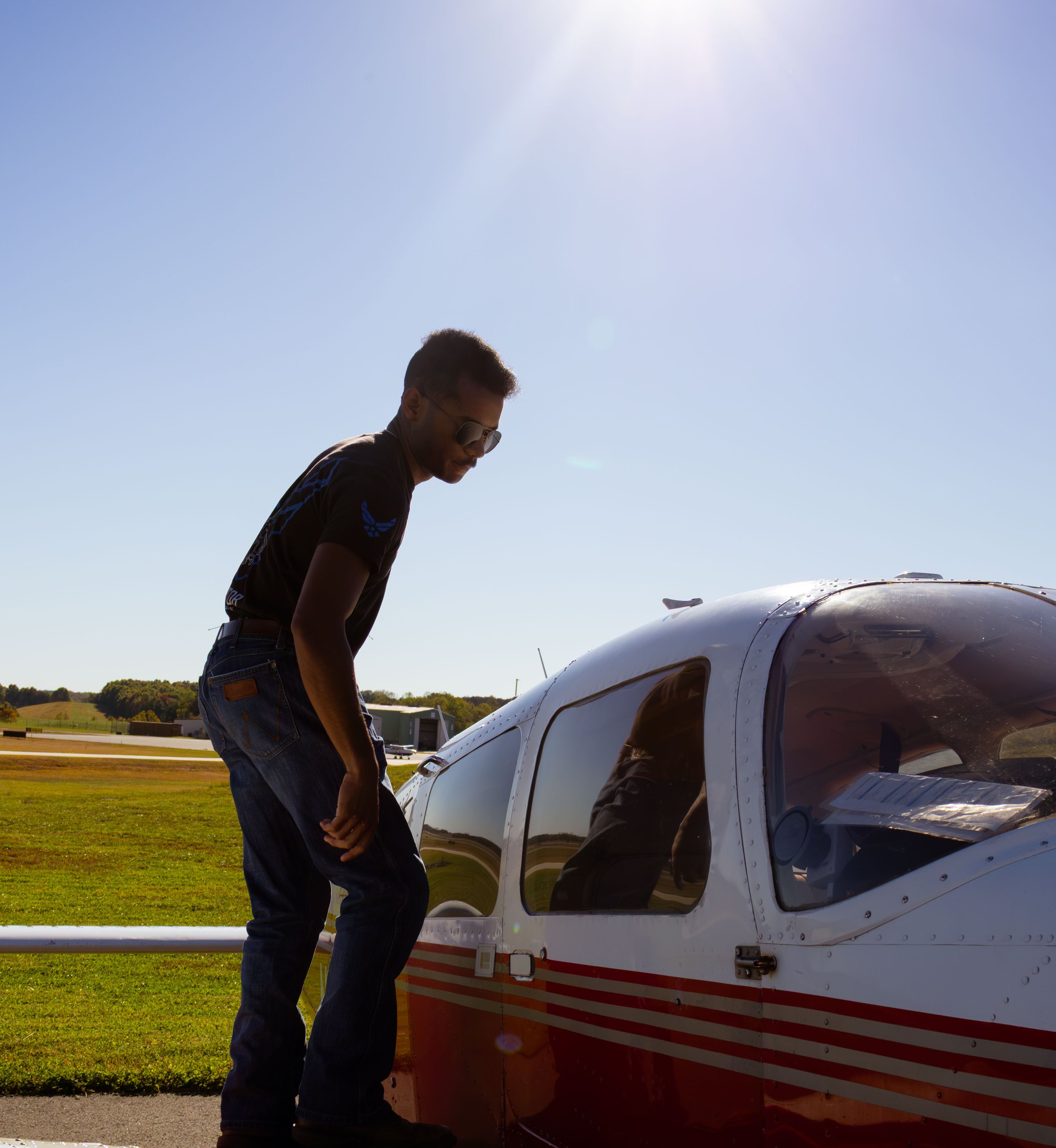
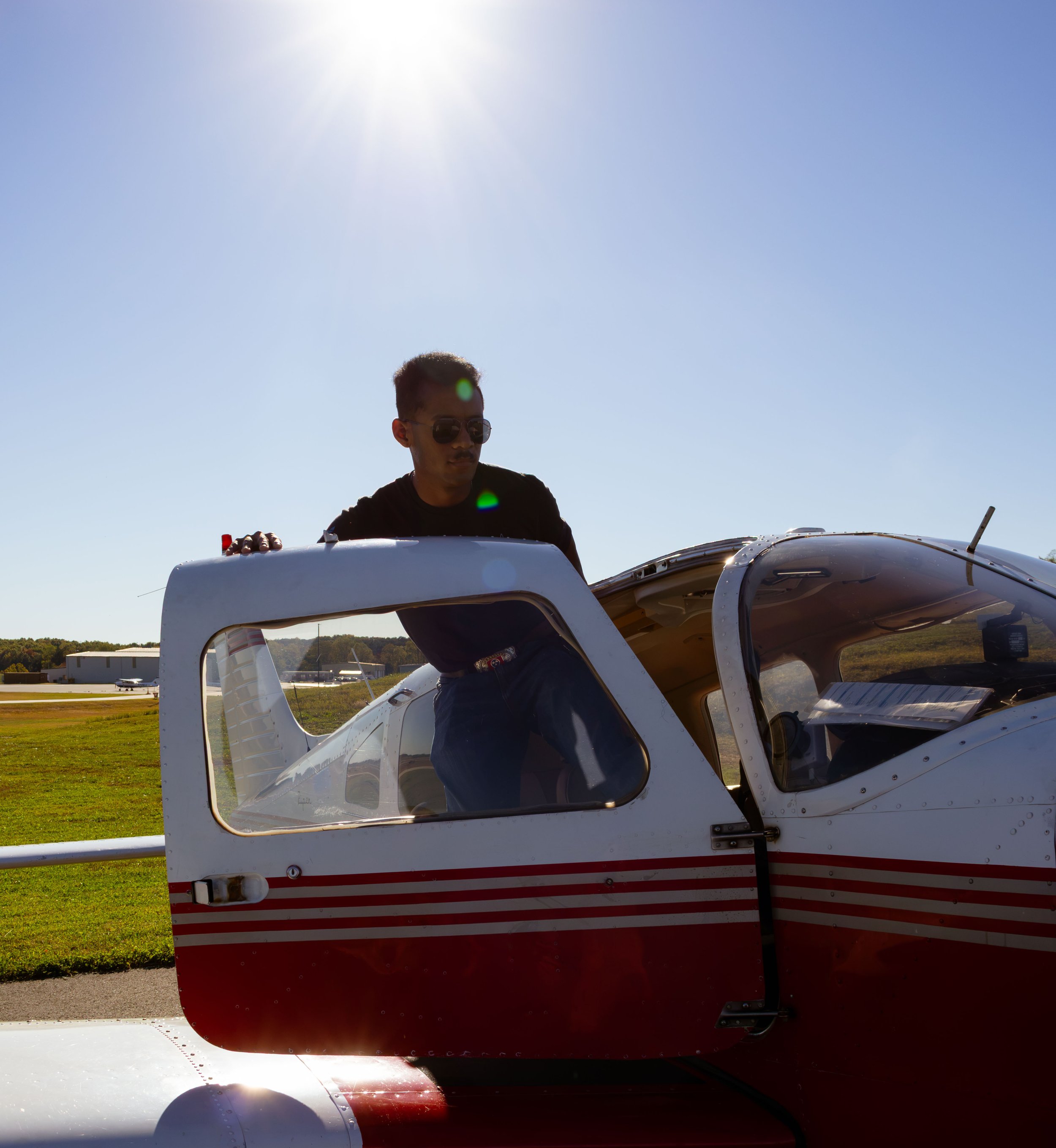
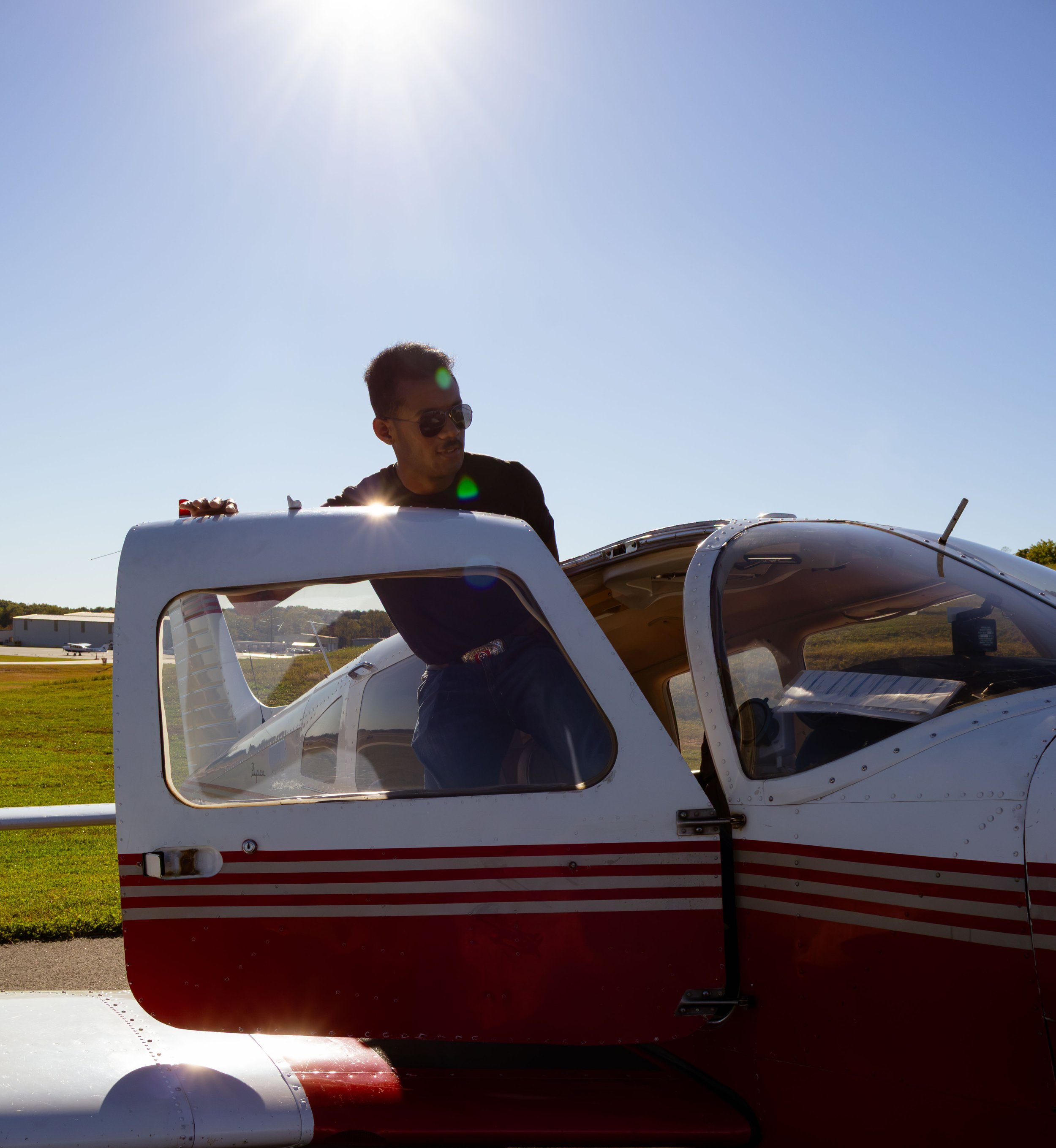
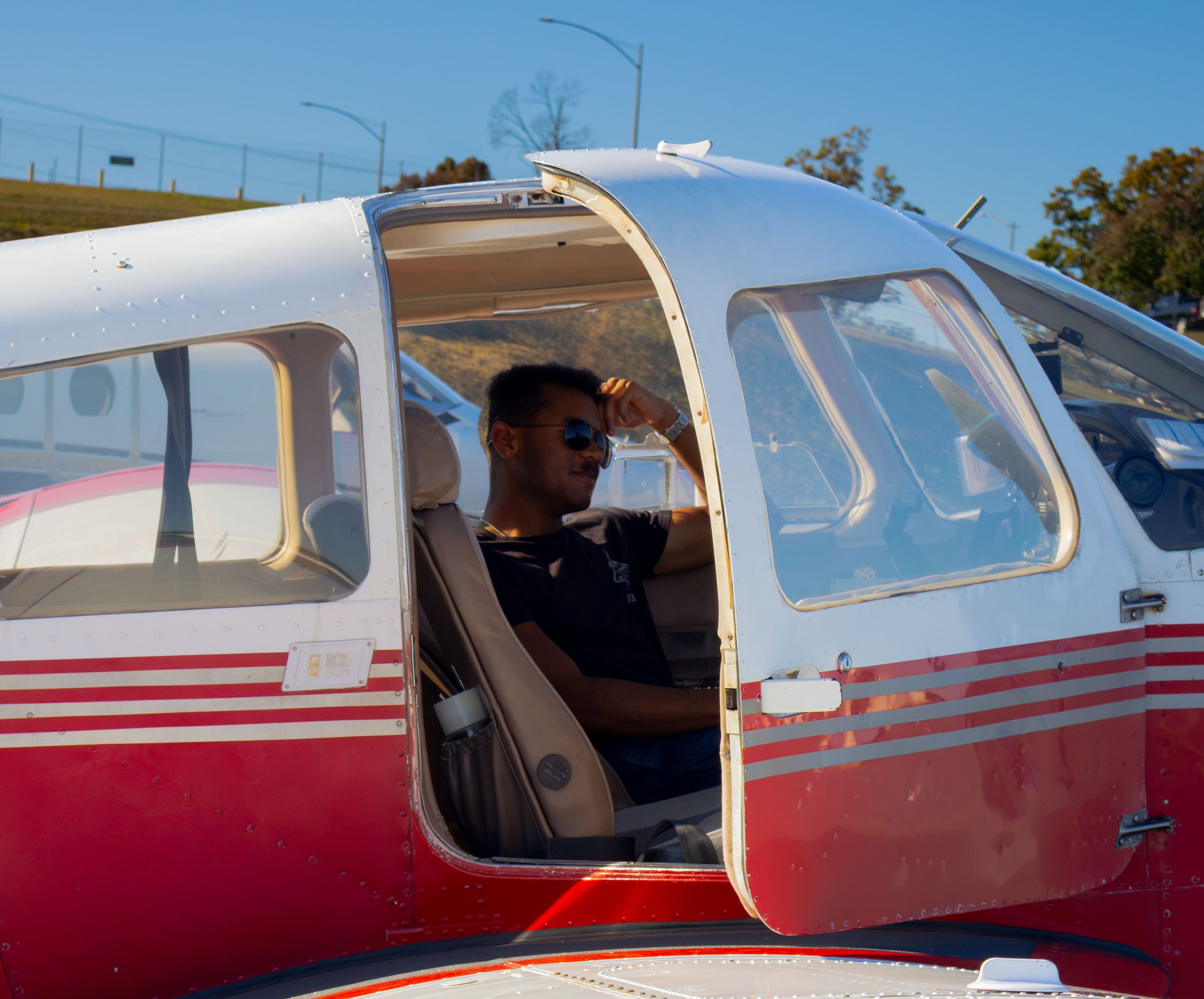
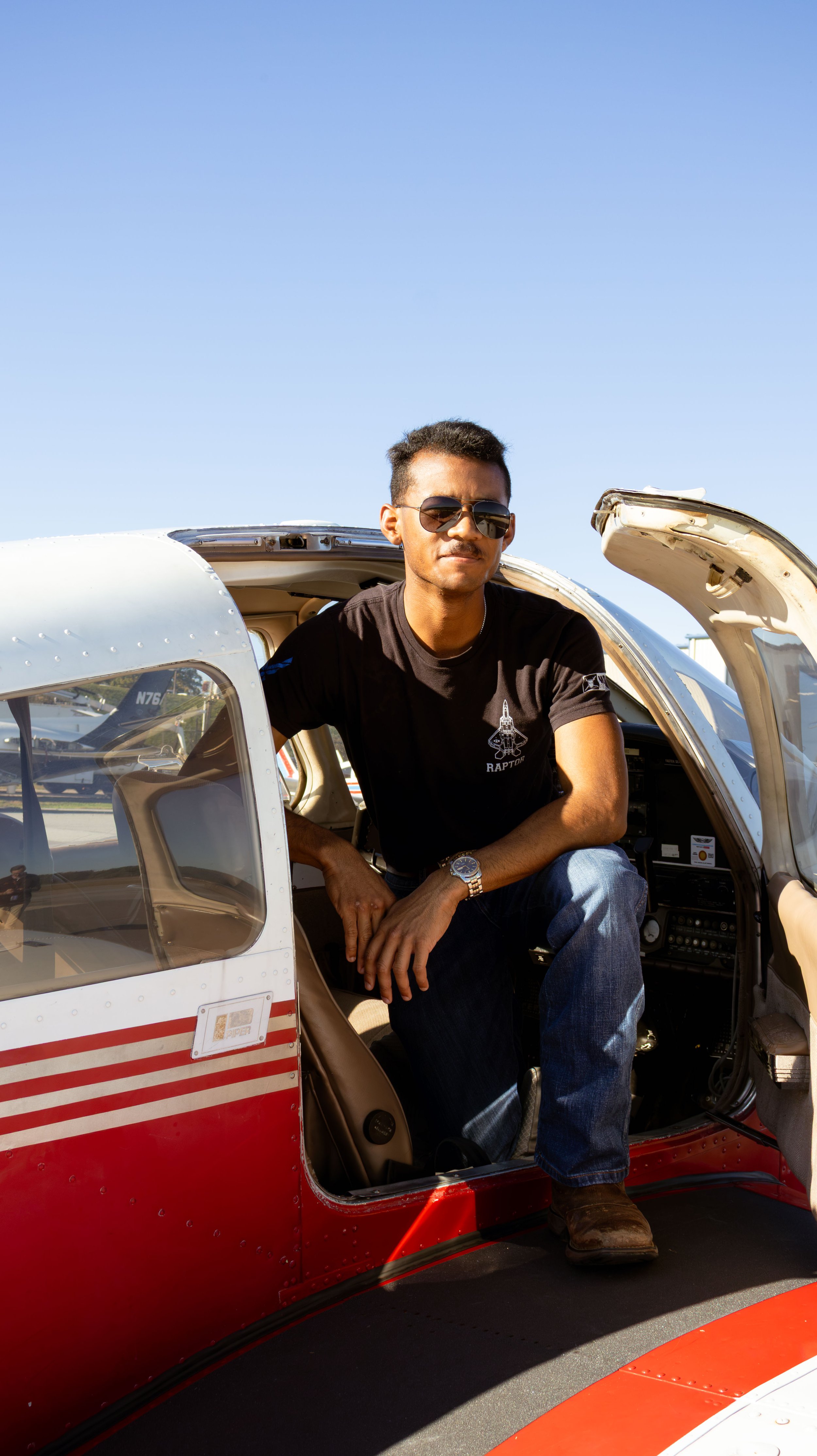
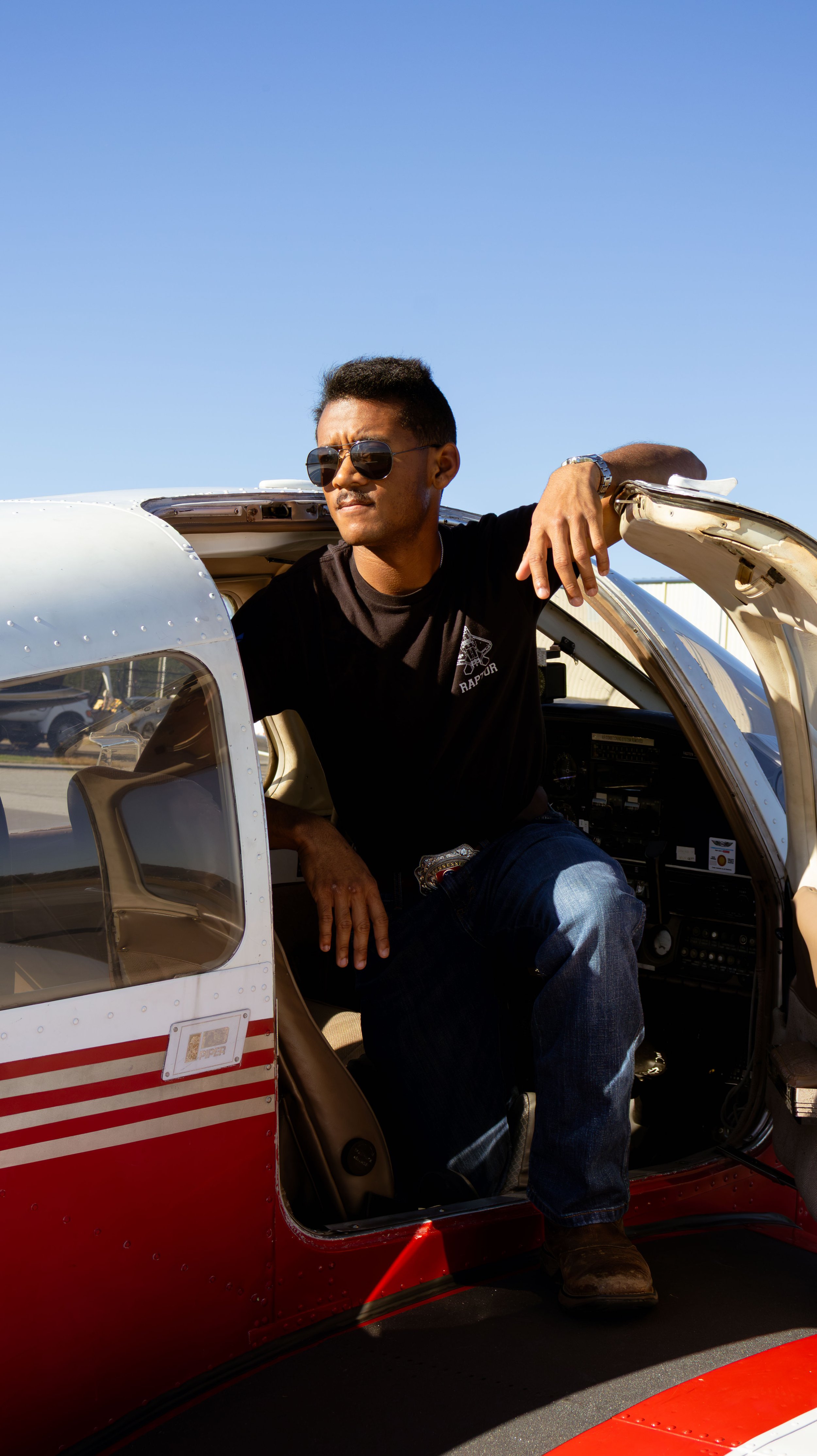
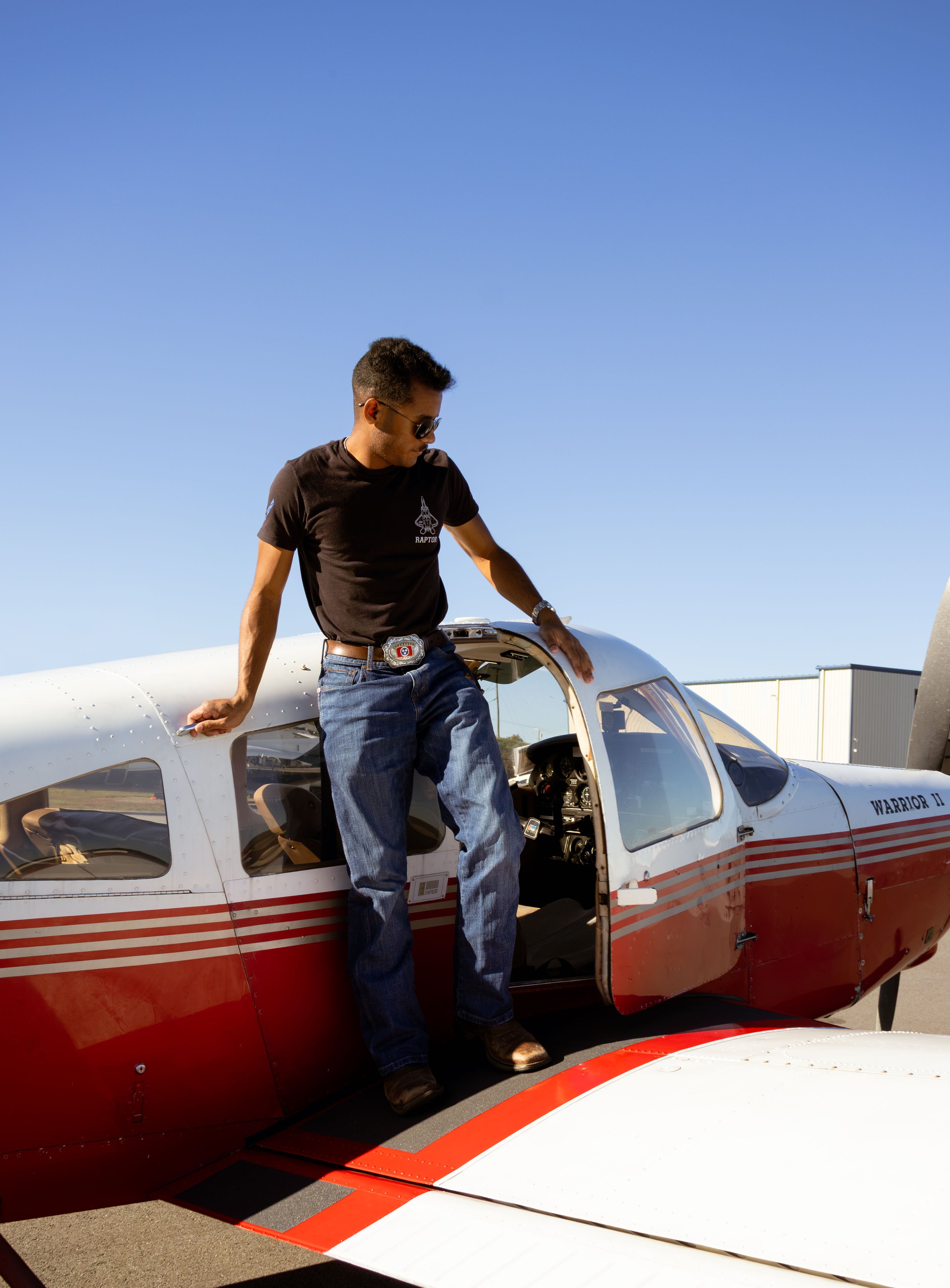
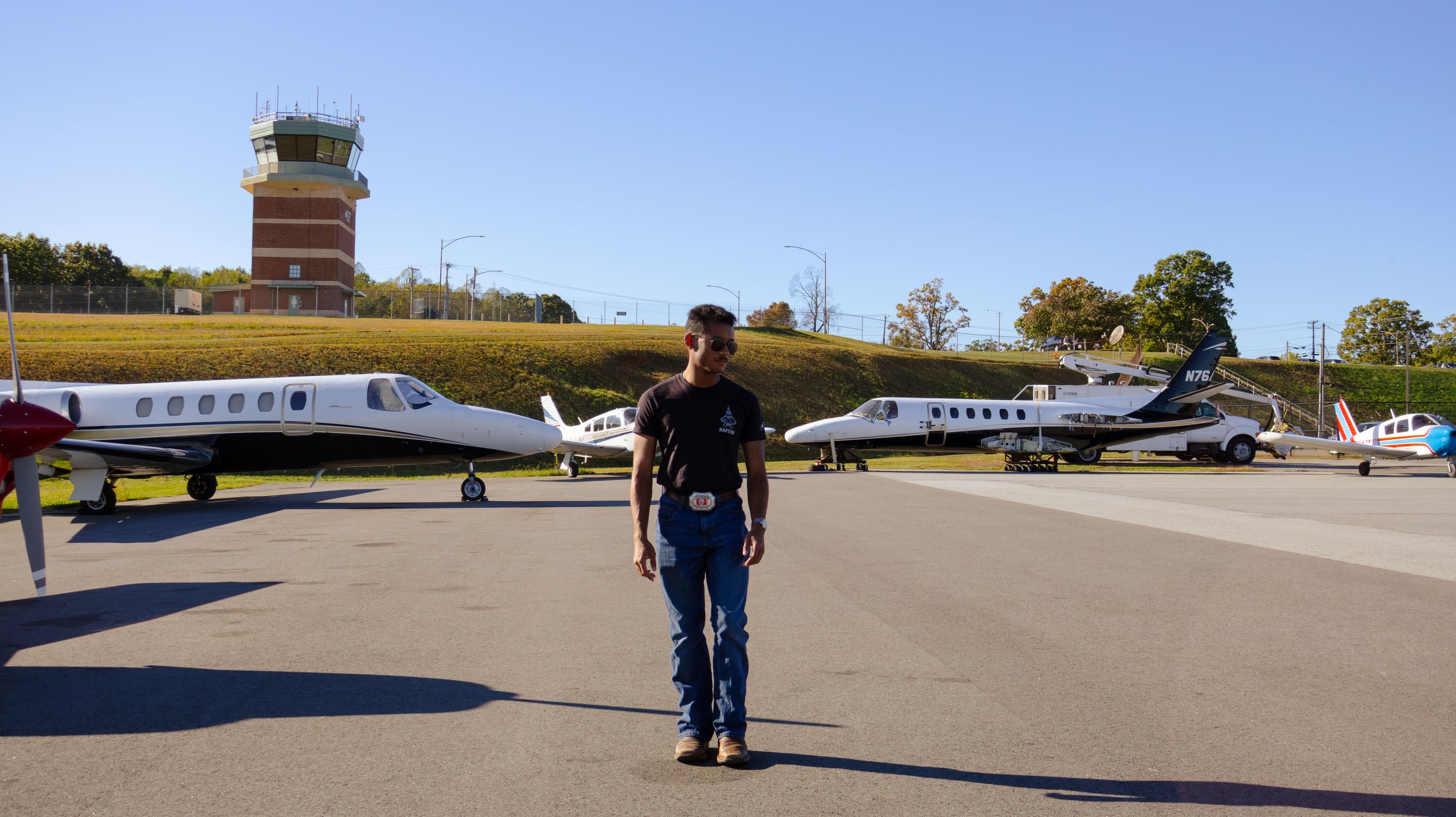
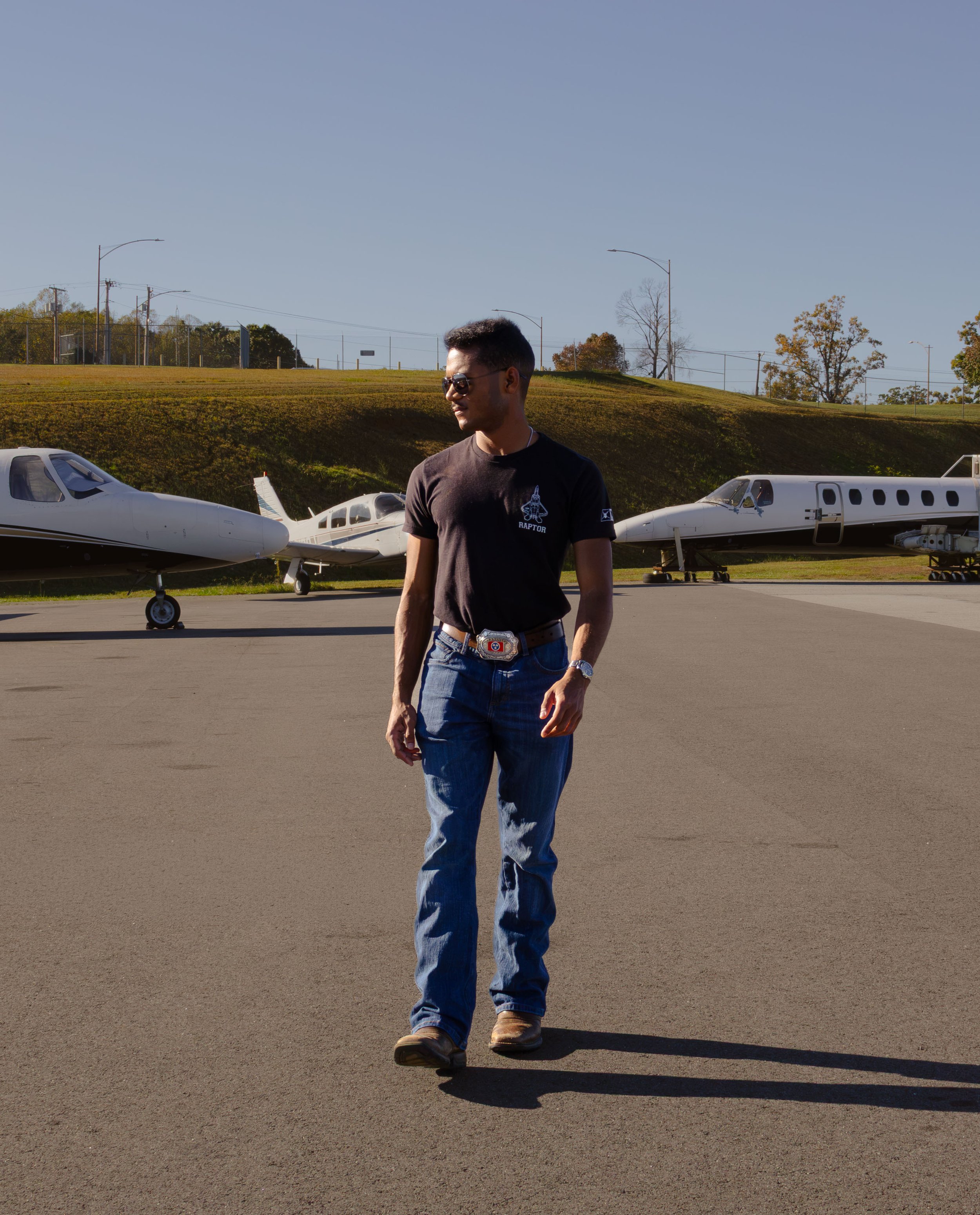
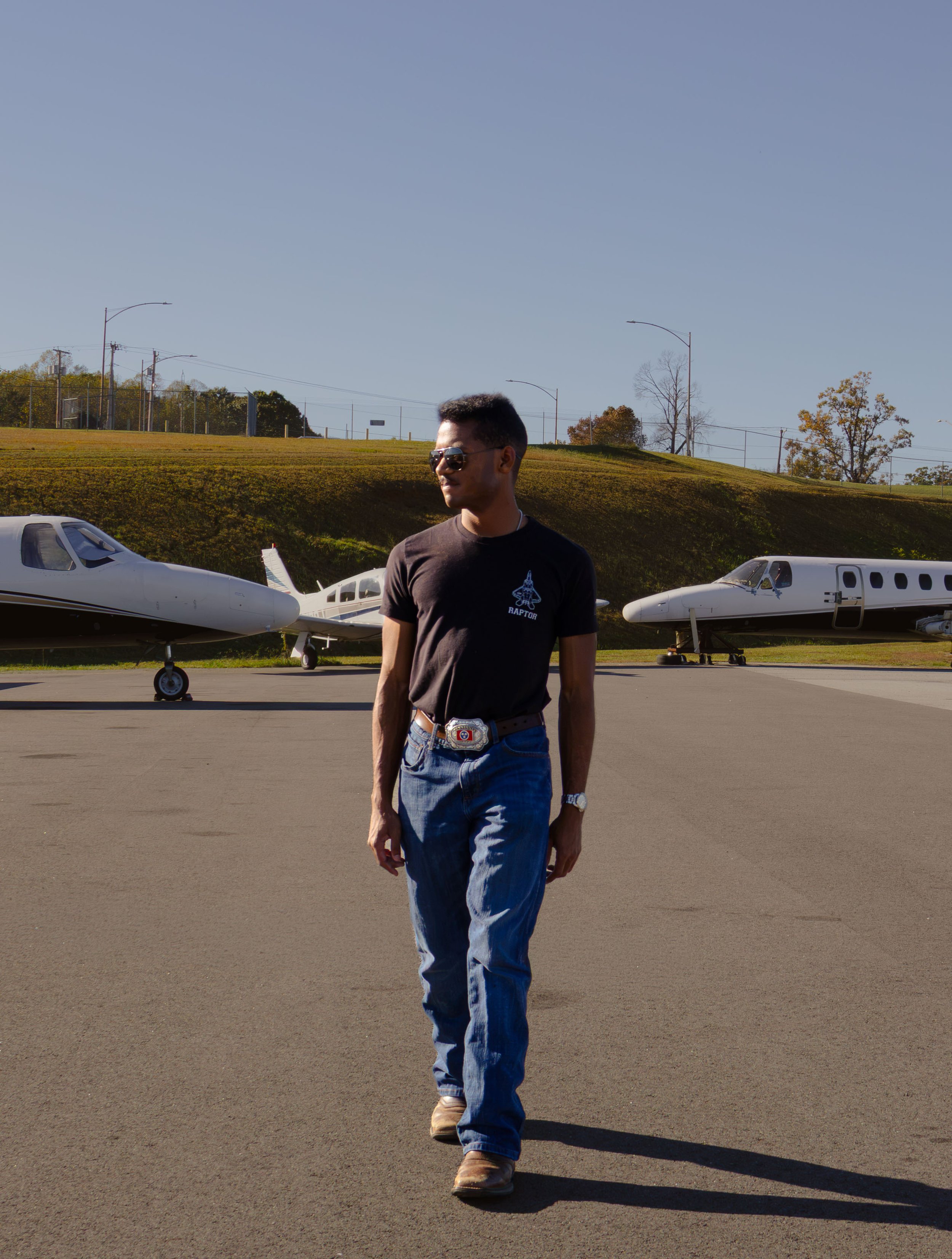
For Peter Humphries, aviation was never just about flying airplanes. It was about finding a way to serve others through the gifts and opportunities he had been given. Through flight training, military leadership and a commitment to continual learning, aviation became an extension of the values that have shaped his life.
Humphries is from Petersburg, VA. He is majoring in aeronautics corporate commercial with a minor in military leadership, aviation safety and musical leadership. Humphries had ambitions to join the military.
He joined civil air patrol and the interests started to increase going forward into his aviation goals. After graduating high school, Humphries achieved his private pilot certificate and to get physically fit before going to Liberty and joining Detachment 890.
“The point I knew I wanted to be a pilot, I knew I wanted to do that as a way of serving my country.”
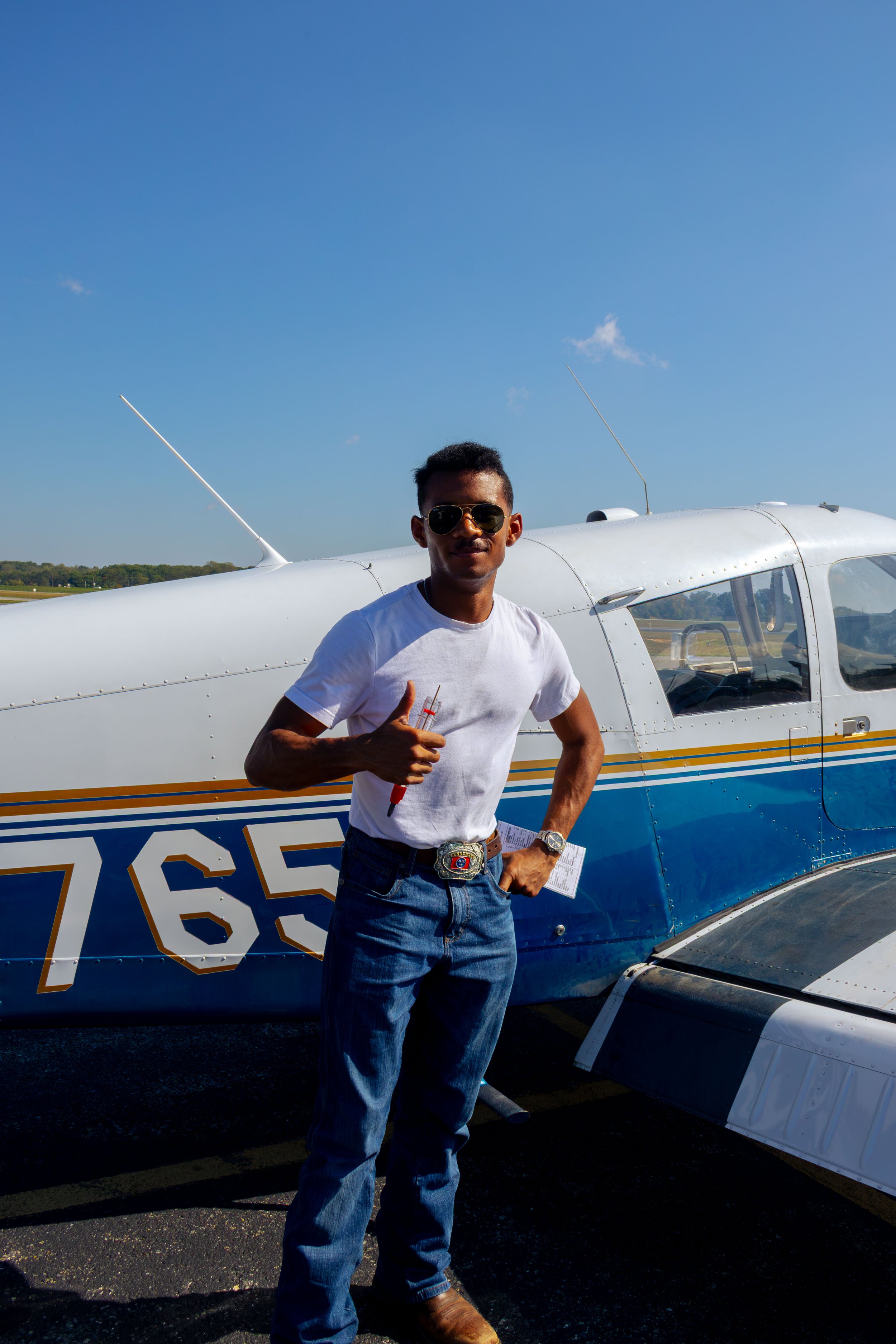
Throughout middle school and high school his original goals in his life were to go into ministry and to become a pastor. His career goals eventually shifted toward aviation, but the desire to teach and serve others remained the same. He said those values continue to shape the way he views both his future and his purpose.
“I’ve always seen myself as two things. A servant and a teacher. I felt like the best way that i could teach others the things that I’ve been gifted with and to serve others was through the field of aviation.
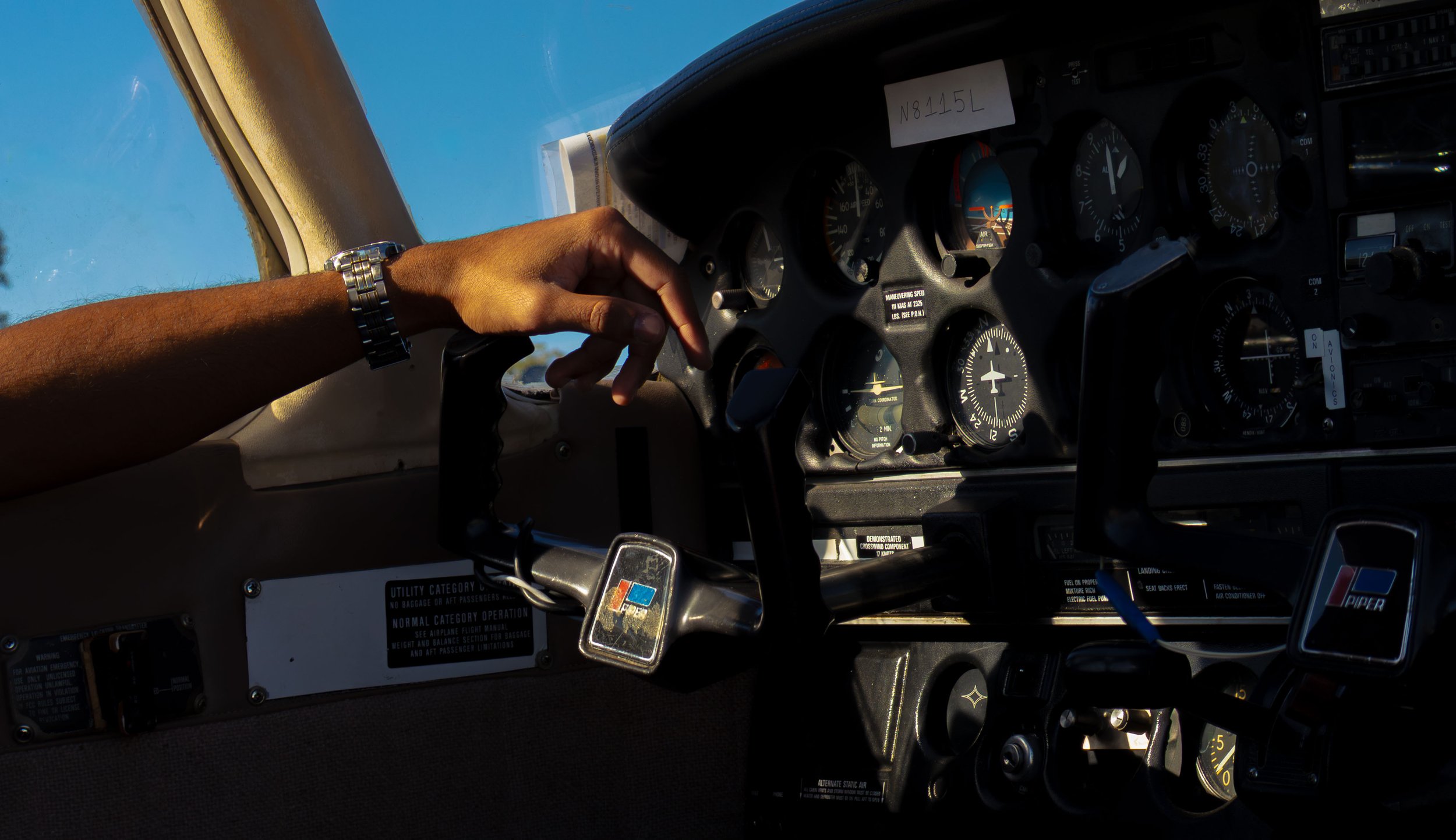
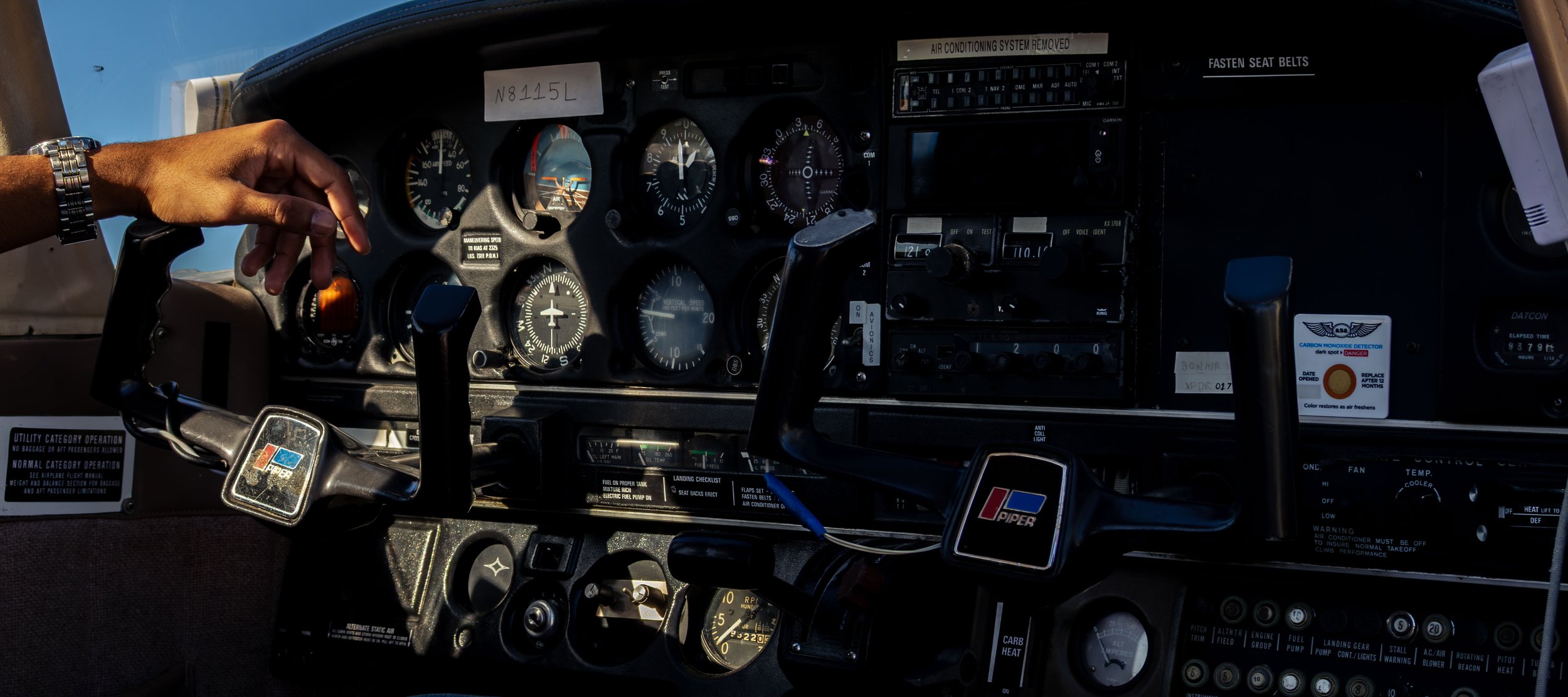
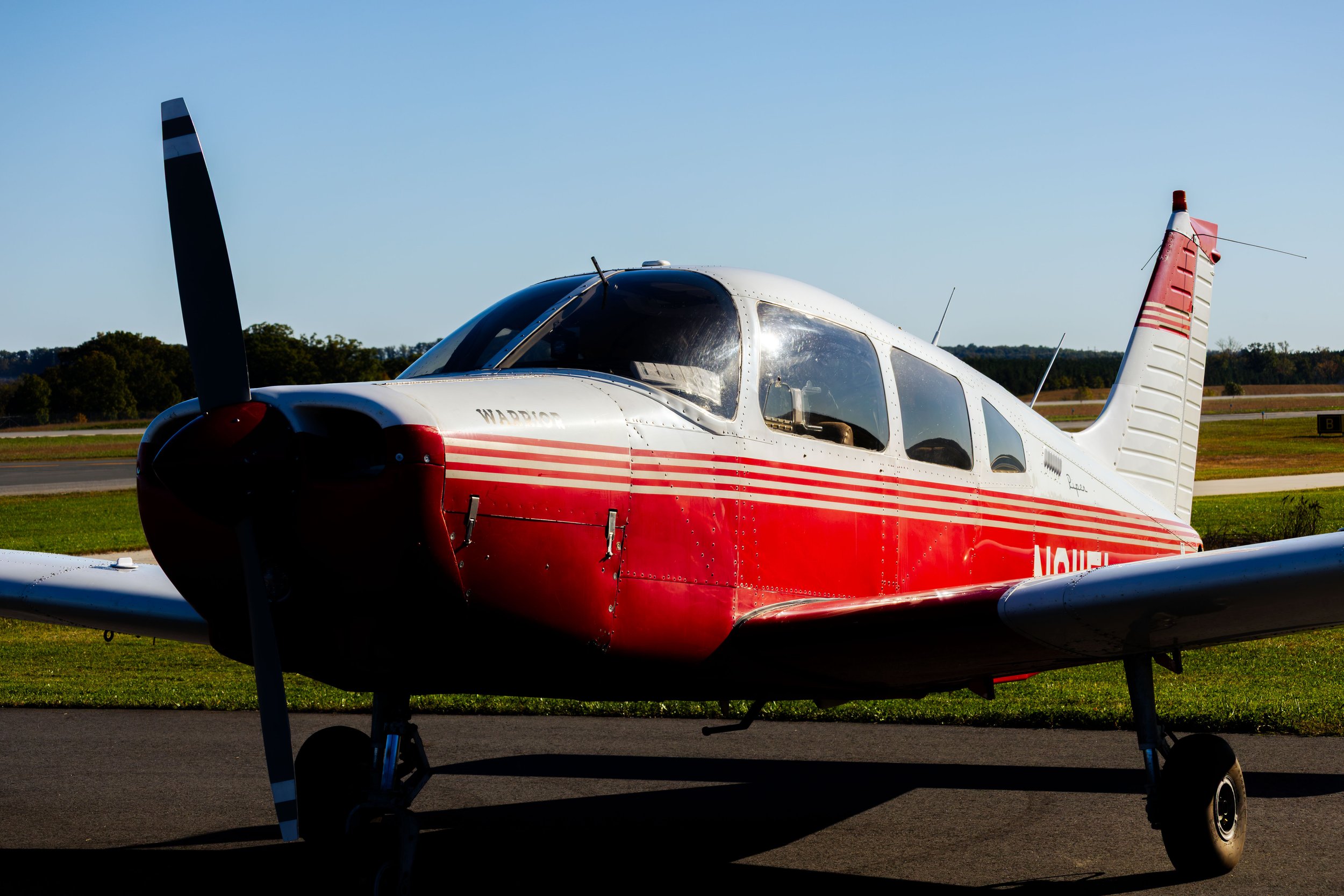
Achieving his pilot certificate was not easy. He had to go through 2 flight instructors and a year and six months and a total of 80 hours to get his certificate. After a long 7-hour check ride, Humphries became the first pilot in his family.
One of the lessons aviation has taught Peter is that learning never stops. Earning a pilot's license was not the finish line, but rather the beginning of a lifelong commitment to improving his knowledge and skills.
“You never plato in aviation and the moment you think you plato is the moment you put not only yourself and your aircraft at risk but anyone who flies with you at risk.”
After earning a private pilot certificate, many pilots experience a sense of accomplishment for the first time. However, that milestone is often followed by cross-country flight planning, where the amount of knowledge required in aviation increases significantly.
“Getting all the way to somewhere like the airlines doesn’t stop there and realizing that learning is the foundation of being a pilot is key to pushing through.”
One of the key factors about aviation that taught Humphries about himself is that emotions are infectious. If the pilot is stressed out, everyone in the plane is going to be stressed out.
“Learning how to regulate your emotions and how to exercise that control, learning how to be present in the moment is what I learned about myself in aviation.”
There are many responsibilities that come with being a pilot. For Humphries, pursuing aviation changed the way he views decision-making and accountability. Pilots are responsible not only for themselves, but also for their aircraft, passengers and the choices they make before every flight. He said understanding that responsibility is one of the most important lessons aviation has taught him.
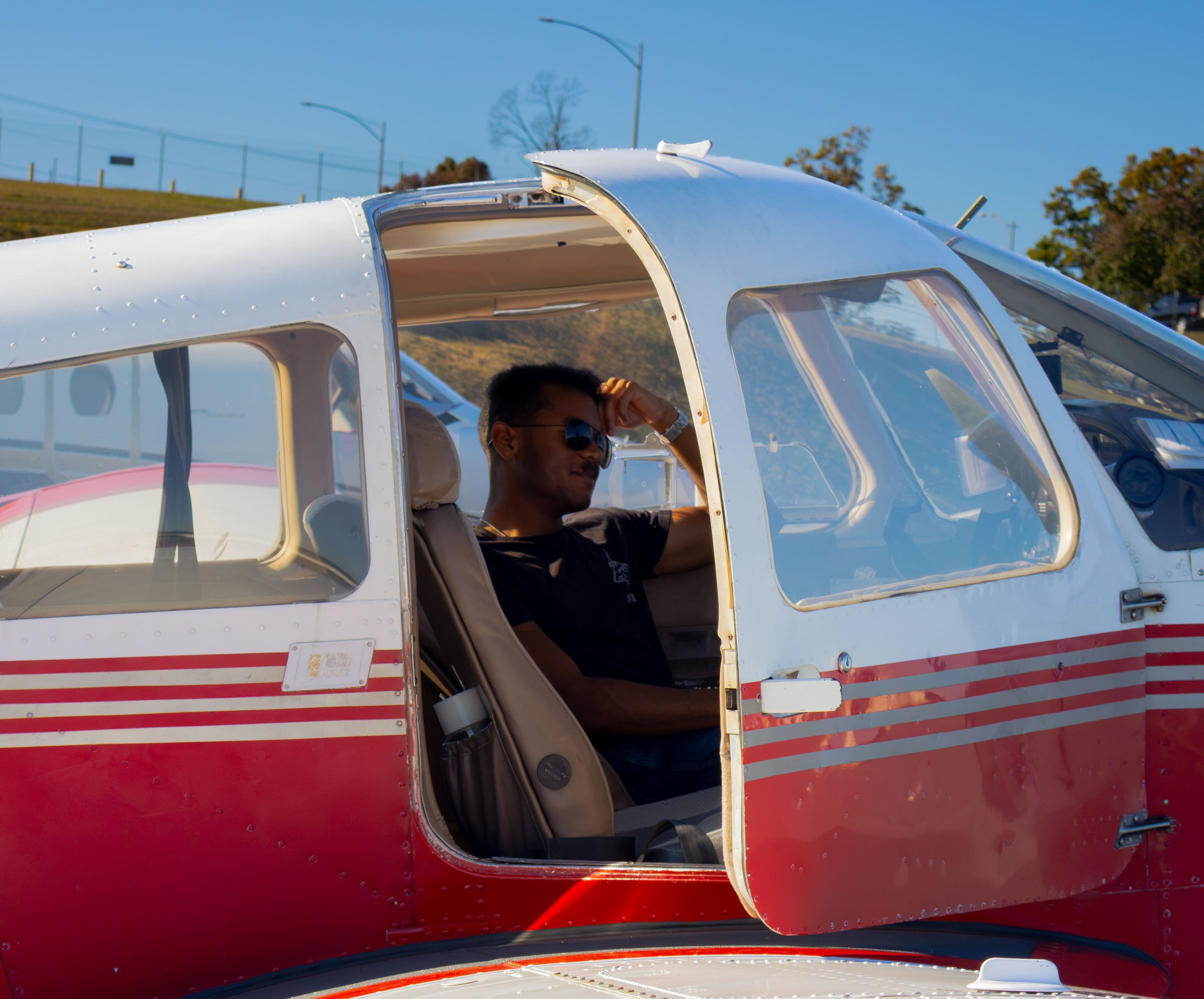
“As pilots, we have to decide between going and not going on a flight. There have been so many accidents that happened in aviation because pilots who know better decide to go on a flight that they shouldn’t have gone on.”
For Humphries, endurance is one of the most important qualities in aviation. It demands retaining large amounts of information and applying that knowledge in high-pressure situations such as check rides and flight training.
Handling fear and pressure in the air can have serious consequences if pilots allow emotions to influence their judgment. Humphries said one of the most common dangers in aviation is "get-there-itis," a term used to describe the pressure pilots feel to reach their destination despite unsafe conditions.
“Deal with the fear and pressure on the ground before dealing with it in the sky.”
As Humphries reflected on purpose, he said it is rooted in having a clear reason behind the work people choose to do. While careers and goals may change over time, he believes true purpose comes from pursuing God's will and allowing personal ambitions to reflect that calling. For Humphries, aviation became one way to live out those ambitions.
“Purpose is the driving foundation that leads your actions… He gives every single one of us personal ambitions, personal goals, that make us individuals. By finding your personal why you find your purpose.”
Humphries has accelerated his flight training with the goal of becoming a certified flight instructor by the end of 2026. He hopes to use that experience to serve fellow Air Force ROTC cadets while helping the next generation of pilots develop their skills and confidence in the cockpit.
“By teaching aviation and instructing people how to fly, I hope to not only impart knowledge but to impart passion because I think that's part of what drives purpose,” Humphries said.